

“Because the only thing certain about a doubting disorder is that you can never be certain enough.” —Aly Prades
Sometimes when I have a moment of unscheduled time, I experience “Time Anxiety”—the disquiet that arises from wondering if I’ve made the absolute best decision of what to do with my time.

This sensation is familiar to people with ADHD. We’re so worried about being hyperfocused (a state that, paradoxically, we aspire to live in!) that we constantly feel uneasy—there’s no way we haven’t forgotten something really important.
And while that is a real feeling, I’ve noticed that there is also an aspect of Obsessive-Compulsive Disorder (OCD) that rounds out time anxiety for me. Until recently, I only thought of OCD in the stereotypical way, which is actually just one subtype: Contamination OCD (e.g., Mr. Monk). Anyone who knows me, knows that I am the farthest thing from germaphobic. 🤣
Rather than needing to repeat actions (such as handwashing or counting), I get caught in mental loops, a trait of Perfectionism OCD, sometimes called “Just Right” OCD (where things have to be/feel “just right”).
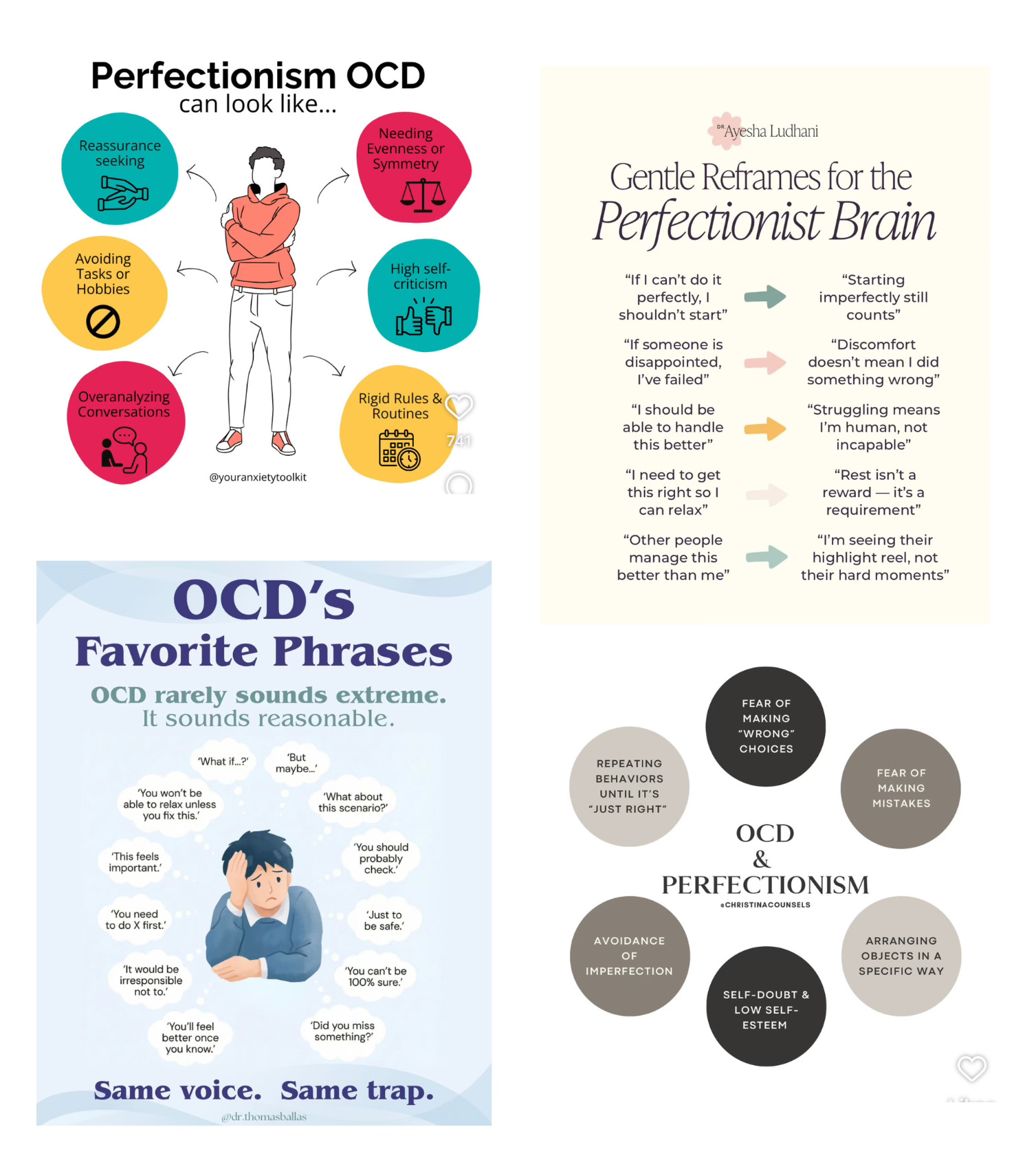
My friend, Aly Prades, has illuminated the subject of OCD so well, and it’s her resources that have helped me recognize and begin to heal from this menacing disorder.
Just last week she sent a screenshot of her phone calendar to our mastermind group. Two years ago, she and her husband made the HUGE decision to move their family from San Diego to Coeur d’Alene. At the time of her move—as a part of her OCD recovery—she set a 2-year “alarm” to assess if this big decision was a good one or not.
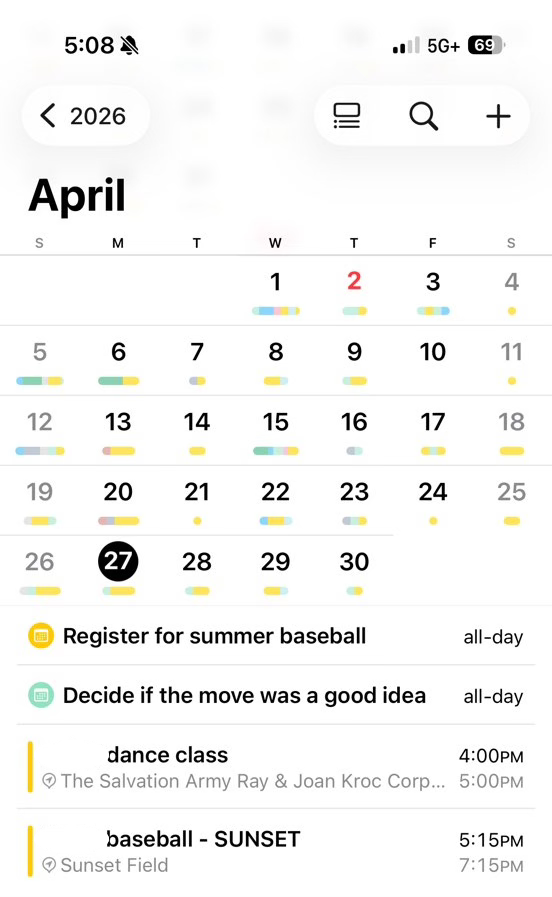
She decided she wouldn’t decide just yet.
How brilliant and freeing to decide that she wouldn’t get to or have to worry about something for two whole years!
(Spoiler alert: the move turned out to be a FANTASTIC choice.)
Inspired by this, as well as the therapeutic strategy “Worry Time”, I recently experimented with setting a “Worry Timer”. But my timer was not going to be for two years; rather, it’d be very short, for only one minute.

I was feeling restless and anxious one lazy Sunday afternoon. I couldn’t relax because I knew I wanted to do something, but I also couldn’t settle into anything because any choice felt like I was then neglecting something else that might be more important (or more fulfilling!).
Instead of getting stuck in the usual spiral of deciding what to do and then deciding whether what I decided was the best thing to decide/do, I recognized The Loop and faced it head on with exposure therapy.

I told myself I had to do something—anything—for one-minute. After the one minute, I could then assess my decision based on how I was feeling.
Because I only had one minute to do something before it was time to worry, I quickly (!) pulled out a folding chair from the shed and sketched the tulips in front of me. If I hadn’t set a Worry Timer, I would have spent many more minutes (or hours!) obsessing over whether the tulips were the best choice of subject, or about if pastels were the best choice of medium.
And I probably wouldn’t have done anything at all.


When the timer rang, I noticed I was feeling in the groove: peaceful, happy about the result, and ready to take on more. I set a 3-minute Worry Timer and did more sketching. Then I set a 5-minute Worry Timer and this time tidied up the shed.
After that I don’t remember, but I know I wasn’t feeling anxious any more.
Have you ever scheduled Worry Time, or used a Worry Timer? If so, I’d love to hear your experiences.
Disclaimer: The information in this post including, but not limited to, text, graphics, and images are for informational purposes only. No material in this publication is intended to be a substitute for professional medical advice, diagnosis, or treatment.
Deciding what to do is harder than the thing. Love this, Lisa!!
Oh, I'm interesting in hearing more about what you said about 'OCD rounding out time anxiety' for you! I have OCD and am not usually stressed about time/ I plan too much and change plans without worry. And my partner has ADHD and he's very worried about time and sticking to plans all the time!